
Selecting a Sophisticated Toy Organizer: A Buying Guide
For the discerning homeowner, the challenge of parenthood often presents a visual conflict: the vibrant, chaotic energy of play versus the serene, curated aesthetic of a well-designed home. A toy organizer is more than just a box in the corner; it is a vital piece of furniture that bridges the gap between childhood wonder and interior sophistication. In my experience helping families curate their living spaces, I have found that the most successful storage solutions are those that do not force you to choose between functionality and form. This guide is designed to navigate the complexities of selecting toy storage that honors your home’s design language while providing a practical system for your children to thrive in. We will explore high-end materials, ergonomic considerations, and the subtle art of choosing a toy storage organizer that evolves alongside your family.
 SHOP NOW!
☝️
SHOP NOW!
☝️
The Foundation of Quality: Material Selection in Toy Storage
When selecting a kids toy organizer, the material is the primary indicator of both longevity and aesthetic value. For those with a refined taste, the generic, flimsy plastic units found in big-box stores rarely suffice. Instead, the focus should be on premium materials that offer tactile beauty and structural integrity.
Solid Wood vs. Engineered Wood
In my professional observation, nothing surpasses the warmth and durability of solid wood. Solid wood organizers, such as those crafted from pine or rubberwood, offer a weight and stability that prevents tipping—a crucial safety factor. Furthermore, solid wood develops a patina over time, allowing the furniture to age gracefully. In contrast, low-grade MDF (Medium-Density Fibreboard) can peel or swell if exposed to moisture, which is a common occurrence in households with young children.
High-Grade Polymers and Safety
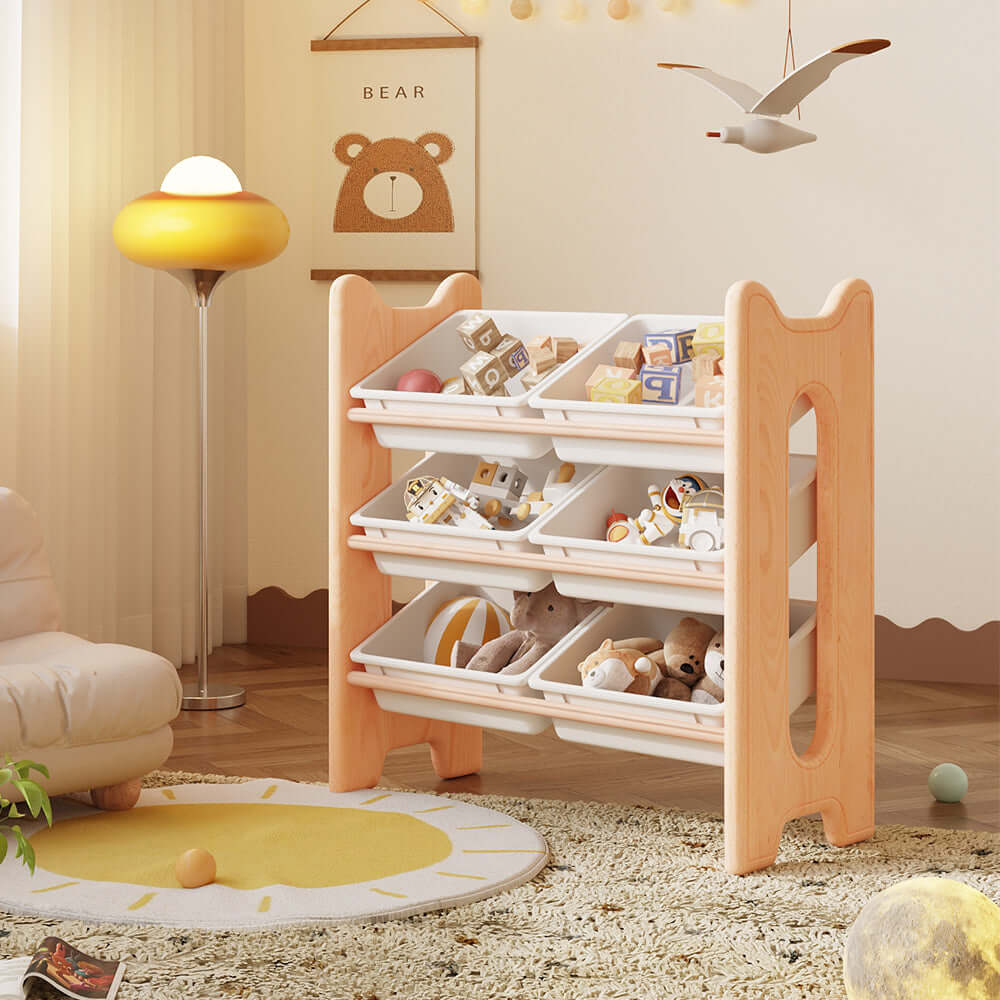
While wood is the gold standard for frames, a toy organizer with bins often utilizes plastic for the removable containers. It is essential to ensure these are made from high-density, BPA-free polypropylene (PP). This material is non-toxic, easy to sanitize, and flexible enough to withstand the "enthusiastic" handling of a toddler. Combining a natural wood frame with high-quality white or muted-tone bins creates a contemporary, Scandinavian-inspired look that fits seamlessly into modern nurseries or living rooms.

Types of Toy Organizers for the Modern Home
The architecture of your toy storage should be dictated by the types of toys your child owns and the specific room the furniture will inhabit. Not all organizers are created equal, and understanding the nuances of each design will help you make a more informed investment.
The Open-Bin System
The open-bin toy organizer is perhaps the most effective for teaching autonomy. By keeping toys visible and accessible, children can easily select what they want to play with and, more importantly, understand exactly where items belong during cleanup. I have often recommended this style for playrooms where toys are rotated frequently. The bins can be angled toward the child, ensuring that even the items at the back are within reach.
Mobile Storage Solutions
For homes with an open-plan layout, mobility is a luxury. A kids toy organizer on wheels allows the "play zone" to be portable. This is particularly useful when you want your children to play near you in the kitchen or home office, but wish to tuck the toys away in a closet or bedroom once guests arrive. Look for carts with high-quality casters that glide smoothly over both hardwood and rugs without leaving marks.
 SHOP NOW!
☝️
SHOP NOW!
☝️
Thematic and Sculptural Designs
Storage can also serve as a focal point. For a nursery or a themed bedroom, a toy storage organizer shaped like a giraffe or a tree adds a sense of whimsy without sacrificing sophistication. These pieces act as functional art, proving that organization does not have to be clinical or boring.
 SHOP NOW!
☝️
SHOP NOW!
☝️
Sizing and Space Optimization
One of the most frequent mistakes I see is purchasing a toy organizer that is either too small to be useful or too large for the child to use independently. Achieving the right scale is essential for both the room's flow and the child's development.
Measuring for Accessibility
For toddlers (ages 2–4), the ideal height for a toy storage unit is between 60cm and 90cm. This allows them to reach the top shelf without assistance, fostering a sense of mastery over their environment[1]. If you are placing an organizer in a shared living space, consider a "low and long" profile. This maintains sightlines across the room and prevents the space from feeling cluttered or enclosed.
Corner and Vertical Solutions
If floor space is at a premium, look to the corners. A corner-specific toy organizer with bins utilizes often-wasted space while offering significant volume. Alternatively, stackable boxes are excellent for vertical growth. As your child’s collection grows, you can simply add another tier, provided the base is stable and the units are securely fastened.
| Room Type | Recommended Style | Key Benefit |
|---|---|---|
| Living Room | Low-profile Solid Wood Rack | Blends with adult furniture; maintains sightlines. |
| Small Bedroom | Corner Organizer / Stackable Bins | Optimizes floor space; utilizes vertical height. |
| Large Playroom | Multi-bin Tiered System | Categorization; easy access for multiple children. |
 SHOP NOW!
☝️
SHOP NOW!
☝️
Safety Standards for Premium Furniture
A beautiful toy organizer is only as good as its safety features. When you are investing in high-end pieces, you should expect stringent adherence to safety protocols that cheaper alternatives often overlook.
Stability and Anti-Tip Mechanisms
Children are natural climbers. Any toy storage organizer taller than 60cm should come with or be compatible with wall-anchoring kits. In my experience, the weight of solid wood provides a better "center of gravity" than plastic, but anchoring is still the gold standard for safety[2].
Rounded Edges and Non-Toxic Finishes
Look for "arc frame" designs or "soft-edge" manufacturing. Sharp corners are a hazard in high-traffic play areas. Furthermore, ensure that the paints or lacquers used are "Low-VOC" or "Zero-VOC." Children spend a significant amount of time in close proximity to their furniture, and the air quality of their room is paramount to their health. High-end brands typically prioritize water-based finishes that are safe for both the environment and your family.
 SHOP
NOW! ☝️
SHOP
NOW! ☝️
Integrating Style: The Designer's Perspective
Integrating a kids toy organizer into a sophisticated interior requires a strategic approach to color and texture. What I’ve found in practice is that "visual noise" is the enemy of a peaceful home. To combat this, choose organizers that offer a neutral palette.
The Power of Neutrals
While toys themselves are often brightly colored, the toy storage unit should ideally act as a neutral backdrop. White, cream, or natural wood tones help recede the furniture into the background. This allows the room to feel organized even when the bins are full of colorful blocks and dolls. If you prefer a more playful look, consider a single "accent" piece, like an animal-shaped box, rather than an entire suite of primary-colored furniture.
Multifunctional Design
The best investments are those that serve multiple purposes. Some toy organizer with bins systems feature lids that double as building block surfaces or activity tables. This reduces the need for multiple pieces of furniture, keeping the room's layout clean and intentional. A stackable system is particularly effective here, as it can be reconfigured as your storage needs shift from large plush toys to smaller, more complex building sets.
 SHOP NOW!
☝️
SHOP NOW!
☝️
Frequently Asked Questions (FAQs)
How do I choose the right size toy organizer for my space?
Start by measuring your available floor space and comparing it against the dimensions of the toy storage unit. Ensure there is at least 60cm of "clearance" in front of the unit so your child can sit and play comfortably. For small rooms, vertical or corner units are best, while larger playrooms can accommodate wider, multi-tiered racks.
Are plastic bins better than wooden drawers for kids?
In terms of practicality, high-quality PP plastic bins are often superior for active use. They are lightweight, meaning a child can carry a bin to their play area and back, and they are much easier to wash if a snack or a crayon goes astray. However, a wooden frame is preferred for the overall structure to ensure stability and style.
How can I encourage my child to use the toy organizer?
The key is accessibility and categorization. Use a toy organizer with bins where each bin holds a specific "category" (e.g., cars in one, blocks in another). Use labels with pictures for younger children who cannot yet read. When cleanup becomes a simple "matching game," children are much more likely to participate.
What makes a toy organizer "high-end"?
A high-end toy organizer is defined by superior materials (like solid wood), non-toxic finishes, thoughtful ergonomic design (like rounded corners), and an aesthetic that complements professional interior design rather than clashing with it. It is an investment in both home decor and childhood development.
Conclusion
In the quest for an organized home, the toy organizer you choose serves as a silent partner in your daily life. It is the tool that transforms a chaotic post-playroom floor into a serene sanctuary in a matter of minutes. By prioritizing high-quality materials like solid wood and BPA-free polymers, you aren't just buying a storage solution; you are investing in a piece of furniture that respects your home’s aesthetic and your child’s safety. From mobile carts that follow the action to sculptural pieces that spark the imagination, the right toy storage organizer makes organization feel like an extension of your lifestyle rather than a chore.
My final piece of advice is to look for versatility. As children grow, their toys change, but the need for quality organization remains constant. A well-built kids toy organizer will survive the transition from toddler building blocks to teenage hobby supplies, providing long-term value that far outweighs the initial cost. Remember that a clean home is not one without toys, but one where every toy has a beautiful place to rest. Explore our curated selection of premium storage solutions to find the perfect match for your home’s unique character and your family’s evolving needs.
Ready to elevate your home organization? View our exclusive collection of premium toy organizers here and discover the perfect blend of style and function.
References
- [1] Montessori Services: Prepared Environment for the Young Child - A guide on ergonomic heights and accessibility for children's furniture.
- [2] Consumer Product Safety Commission (CPSC): Tip-over Information Center - Crucial safety guidelines for anchoring heavy furniture and storage units.
- [3] Architectural Digest: How to Organize Toys Without Sacrificing Style - Expert tips on integrating kids' storage into high-end home interiors.
Selecting a Sophisticated Toy Organizer: A Buying Guide
For the discerning homeowner, the challenge of parenthood often presents a visual conflict: the vibrant, chaotic energy of play versus the serene, curated aesthetic of a well-designed home. A toy organizer is more than just a box in the corner; it is a vital piece of furniture that bridges the gap between childhood wonder and interior sophistication. In my experience helping families curate their living spaces, I have found that the most successful storage solutions are those that do not force you to choose between functionality and form. This guide is designed to navigate the complexities of selecting toy storage that honors your home’s design language while providing a practical system for your children to thrive in. We will explore high-end materials, ergonomic considerations, and the subtle art of choosing a toy storage organizer that evolves alongside your family.
SHOP NOW!
☝️
The Evolution of Playroom Aesthetics: Why Quality Matters
In recent years, the philosophy behind children’s furniture has undergone a significant shift. We have moved away from disposable, primary-colored plastic and toward pieces that reflect a "quiet luxury" aesthetic. When you invest in a premium kids toy organizer, you are not simply buying a receptacle for plastic blocks; you are purchasing a piece of furniture that contributes to the architectural harmony of your home. High-quality toy storage utilizes materials that feel substantial to the touch and age gracefully alongside your home’s other features.
From a developmental perspective, an organized environment helps a child focus. When toys are strewn haphazardly, it creates "visual noise" that can lead to overstimulation. A well-designed toy storage organizer provides a designated home for each item, teaching children the value of order and the respect for their belongings. In my observation, children are more likely to engage in deep, imaginative play when they can clearly see and access their tools of play without having to dig through a dark, disorganized chest.

Material Mastery: Choosing Between Wood, Metal, and Polymers
For those with refined tastes, the choice of material is non-negotiable. The material dictates the weight, the safety, and the "vibe" of the room. When searching for a toy organizer, I always look for a blend of natural textures and modern engineering.
The Timelessness of Solid Wood
Solid wood remains the gold standard for high-end furniture. It offers a structural integrity that engineered woods like MDF or particleboard simply cannot match. A solid wood frame provides the necessary weight to prevent the unit from tipping over easily—a critical safety feature in a household with active toddlers. Furthermore, the natural grain of the wood adds a layer of warmth to a room, making a kids toy organizer feel like a permanent part of the home rather than a temporary addition. Rubberwood and pine are popular choices for their durability and eco-friendly footprint.
High-Performance Polypropylene (PP)
While the frame should be sturdy, the bins themselves benefit from modern materials. High-grade PP is BPA-free, lightweight, and incredibly easy to sanitize. In a toy organizer with bins, these containers take the brunt of the wear and tear. They are dropped, spilled on, and dragged across the floor. Using premium PP drawers ensures that they won't crack under pressure and can be wiped clean in seconds, maintaining that "brand new" look for years.
| Material | Aesthetic Appeal | Durability | Maintenance |
|---|---|---|---|
| Solid Wood | High (Natural, Warm) | Excellent (Lasts decades) | Low (Occasional dusting) |
| Premium PP Plastic | Modern (Clean, Matte) | High (Impact resistant) | Very Low (Washable) |
| Rattan / Weave | Textural (Boho, Organic) | Moderate | Moderate (Dusting crevices) |
SHOP NOW!
☝️
Functional Design: Matching the Organizer to the Toy Type
Not all toys are created equal, and neither are their storage needs. A "one-size-fits-all" approach usually ends in frustration. To find the perfect toy storage organizer, you must first audit your child's collection. What I’ve found in practice is that a hybrid approach—combining different storage styles—works best for most homes.
Open Shelving for Display and Access
For toys that are visually appealing, such as wooden rainbows, handcrafted dolls, or curated book collections, open shelving is ideal. It treats the toys as decorative elements. A toy organizer with flat shelves allows children to see their options immediately, which is vital for younger kids who follow the "out of sight, out of mind" rule.
Bin Systems for "Micro" Toys
Small pieces like LEGOs, magnetic tiles, and art supplies require a toy organizer with bins. Removable bins allow the child to take the entire container to their play mat, engage with the items, and—most importantly—bring the bin back to the rack for a quick cleanup. This "contained play" strategy is a lifesaver for parents who want to keep small parts from migrating into every corner of the house.
Mobile and Thematic Storage
Sometimes, the storage itself should be a source of joy. A giraffe-shaped toy storage unit or a rolling cart adds a playful element to the room's design. Mobile units are particularly effective for multi-purpose rooms; you can roll the toys into the living room during the day and tuck them back into the nursery at night. This flexibility is a hallmark of sophisticated, adaptive living.
SHOP NOW!
☝️
Safety and Ergonomics: The Unseen Essentials
When you are shopping for high-end furniture, safety should be seamlessly integrated into the design. A beautiful toy storage unit that is inherently unsafe is a poor investment. For parents with high standards, there are three key safety features to look for.
The Importance of Rounded Edges
Children are in a state of constant motion. Sharp corners on a kids toy organizer are a significant hazard. Look for "Arc Frame" designs or units with radiused corners. These softened edges not only look more modern and fluid but also minimize the risk of injury during a tumble. In my experience, these architectural details are what separate budget furniture from premium pieces.
Stability and Anti-Tip Engineering
The heavier the unit, the more stable it will be. However, even the sturdiest toy organizer should ideally be anchored to the wall if it exceeds a certain height. Premium manufacturers often provide pre-drilled holes or specific anchoring hardware. Additionally, a wide base or a flared leg design can significantly increase the unit’s "center of gravity," making it much harder for a child to pull the unit over[1].
Non-Toxic Finishes
Because children spend so much time in close proximity to their furniture—and let’s be honest, sometimes chew on it—the finishes matter. Ensure that your toy organizer uses water-based, low-VOC (Volatile Organic Compounds) paints or natural oils. This ensures that the indoor air quality of the nursery remains pristine, free from the "off-gassing" associated with cheaper chemical treatments.
Space Optimization: Designing for Small and Shared Rooms
Not everyone has a dedicated playroom. Many of our clients integrate toy storage into shared family spaces or smaller nurseries. In these scenarios, vertical space and corner utilization become your best friends.
Corner Units for Maximizing Square Footage
Corners are often wasted space. A corner-style toy storage organizer can hold a surprising volume of items without protruding into the main walking paths of a room. Shaped like a tree or a simple wedge, these units utilize the depth of the corner to provide deep shelving for larger toys.
Stackable and Modular Systems
The beauty of a modular toy organizer is that it can grow as your family grows. You might start with a single base unit and add stackable cubes as your child transitions from large plushies to complex building sets. This vertical approach keeps the floor clear, creating a sense of openness even in a compact room. Look for units that feature "interlocking" designs to ensure that stacked pieces remain secure.
SHOP NOW!
☝️
Curating the Look: Color Palettes and Textures
One of the biggest struggles for style-conscious parents is the "color explosion" that toys bring. To maintain a refined aesthetic, your toy organizer should act as a neutral canvas. What I’ve found in practice is that a muted palette allows the room to feel organized even when the bins are full.
The Power of White and Natural Wood
A white and natural wood combination is the "white button-down shirt" of children’s furniture. It is timeless, clean, and pairs beautifully with any decor style, from Mid-Century Modern to Scandinavian Minimalist. White bins in a toy organizer with bins reflect light, making the room feel brighter and more spacious. Natural wood accents provide that necessary touch of organic texture to prevent the room from feeling too sterile.
Integrating Whimsy with Restraint
You can still embrace the "magic" of childhood without sacrificing your taste. Choose one "hero" piece that has a unique shape—like a giraffe or a tree—but keep it in a sophisticated color like brown, forest green, or cream. This creates a focal point that delights the child but doesn't scream for attention like a bright red or neon blue plastic bin would.
SHOP
NOW! ☝️
Maintenance and Longevity: A Sustainable Investment
True luxury is found in items that last. When you select a toy organizer, you should be looking for a piece that can transition through different stages of childhood. A unit that holds diapers and rattles today should be able to hold art supplies and chapter books five years from now.
Regular maintenance of a high-quality toy storage organizer is simple. For wood, a quick wipe with a damp cloth and an occasional treatment with wood-safe wax will keep the finish looking rich. For PP bins, a mild soap and water solution is all that’s needed to remove fingerprints or spills. Unlike cheap alternatives that crack or warp, premium materials are designed for high-frequency use, ensuring that your toy storage remains a beautiful part of your home until the day your children move out.
SHOP NOW!
☝️
Frequently Asked Questions (FAQs)
What is the ideal height for a kids toy organizer?
For toddlers and preschoolers, the toy organizer should be no taller than 80cm to 90cm. This allows them to reach the top bins safely without climbing. For school-aged children, taller units can be used, provided they are securely anchored to the wall to prevent accidents[2].
How do I stop my toy storage organizer from tipping over?
Always prioritize units with a heavy, wide base made from solid wood. For additional safety, especially with taller units, use an anti-tip wall kit. Many high-end toy organizer with bins models include these kits or have dedicated anchoring points built into the frame.
Are plastic bins safe for storing children's toys?
Yes, provided they are made from high-quality, BPA-free polypropylene (PP). This material is non-toxic, doesn't leach chemicals, and is much more durable than the brittle plastics used in lower-priced alternatives. It is also recyclable, making it a more eco-conscious choice for the modern home.
How can I integrate a toy organizer into my formal living room?
Choose a toy storage unit that mimics the style of your existing furniture. A solid wood frame with a natural finish and white or neutral bins will blend seamlessly with a modern or transitional living room. The key is to avoid high-contrast primary colors and stick to a "furniture-first" design approach.
Conclusion
Investing in a high-quality toy organizer is an act of care—for your home, for your child’s development, and for your own peace of mind. As we have explored, the right storage solution goes beyond simple containment; it is about choosing materials like solid wood and premium PP that offer durability and safety. It is about selecting designs that respect the ergonomic needs of a child while maintaining the aesthetic integrity of your living space. From the whimsical charm of a giraffe-shaped rack to the practical mobility of a wooden cart, the options available today allow you to create a home that is both play-friendly and Pinterest-ready.
In my years of observing family dynamics, I have seen how a simple toy storage organizer can transform the "witching hour" cleanup into a moment of teaching and autonomy. When everything has a beautiful place to go, the burden of maintenance falls away, leaving more room for what truly matters: quality time with your family. Remember to measure your space, consider the types of toys being stored, and never settle for materials that won't stand the test of time. Your home is your sanctuary, and with the right toy organizer with bins, it can remain a place of elegance and joy, even in the midst of childhood's most creative messes.
If you are ready to transition from cluttered corners to curated spaces, I invite you to explore our full collection of designer-approved storage solutions. Whether you need a space-saving corner unit or a grand multi-tiered rack, your perfect match is waiting to elevate your home.
Explore the Hompkin Toy Organizer Collection Today
References
- [1] CPSC Safety Alert: Furniture Tip-Over Prevention - Guidelines on anchoring storage units to prevent child injuries.
- [2] Montessori Theory: The Prepared Environment - Insight into how accessible, organized furniture promotes child independence and focus.
- [3] Greenguard Certification: Indoor Air Quality Standards - Information on low-VOC and non-toxic finishes for children's furniture.


Hompkin B2B Program
At Hompkin, we design modern furniture solutions that balance aesthetics, functionality, and quality for commercial spaces, supporting offices, hospitality, retail, and interior projects with timeless design and reliable craftsmanship. Join the Hompkin B2B Program to access exclusive trade pricing and dedicated project support. Learn more at https://hompkin.com/pages/b2b.
Featured Products
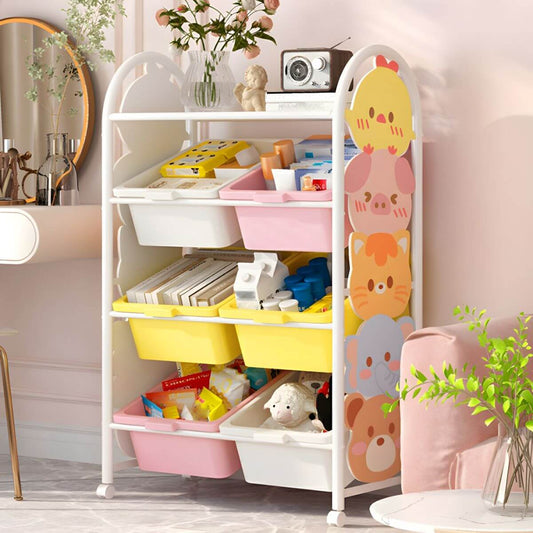

Four-Tier Kids' Organizer with Cartoon Animal Side Panels
- From $399.10
$570.14- From $399.10
- Unit price
- per
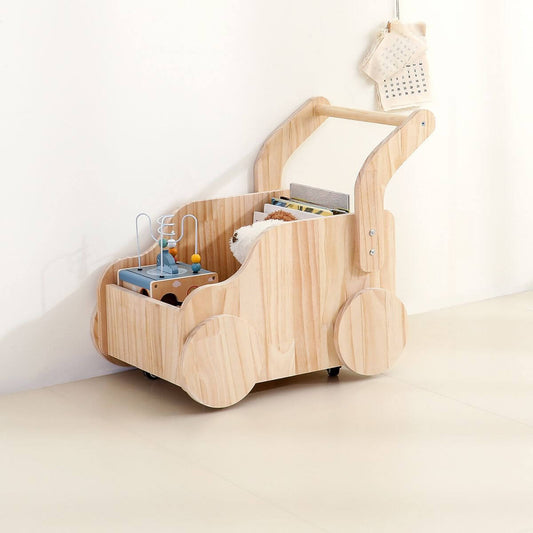

Natural Wood Kids Toy Organizer Cart with Handle and Wheels
- $299.68
$428.12- $299.68
- Unit price
- per
-
Natural Finish
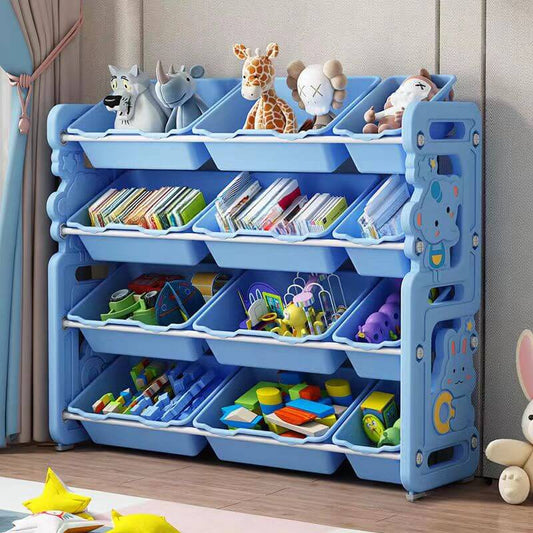

Cartoon-Style Kids Organizer with Slanted Bins and Rounded Frame
- $447.68
$639.54- $447.68
- Unit price
- per
-
Blue
-
Pink
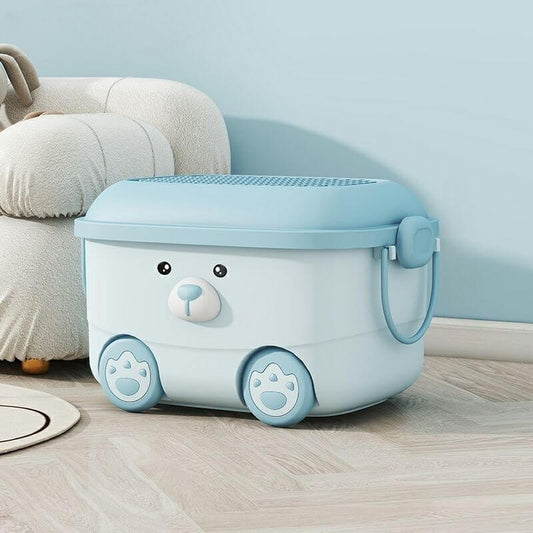

Stackable Animal-Shaped Plastic Toy Box with Wheels and Lid
- $199.44
$249.30- $199.44
- Unit price
- per
-
Blue
-
Yellow
-
Pink
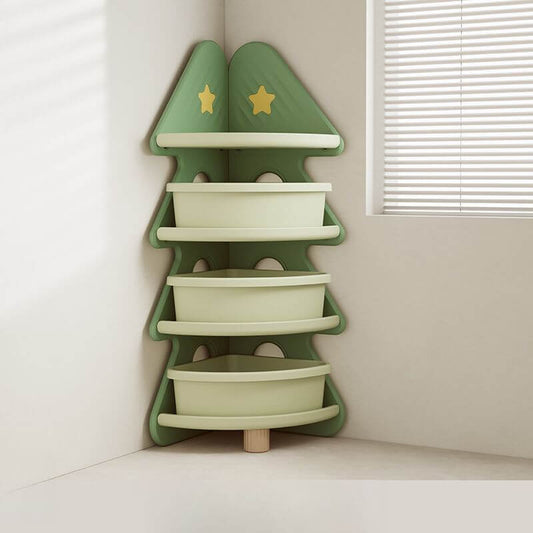

Corner Christmas Tree Toy Organizer with 4 Shelves and Bins
- $377.96
$539.94- $377.96
- Unit price
- per
-
Green
-
White
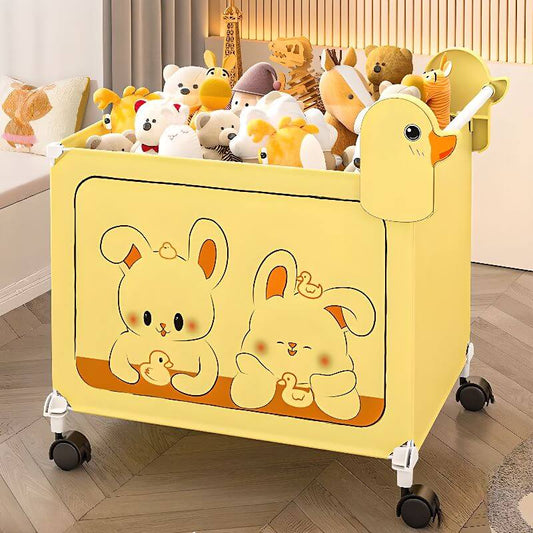

Kids' Wheeled Toy Box with Playful Rabbit Art and Carry Handle
- $213.53
$266.91- $213.53
- Unit price
- per
-
Yellow
-
White
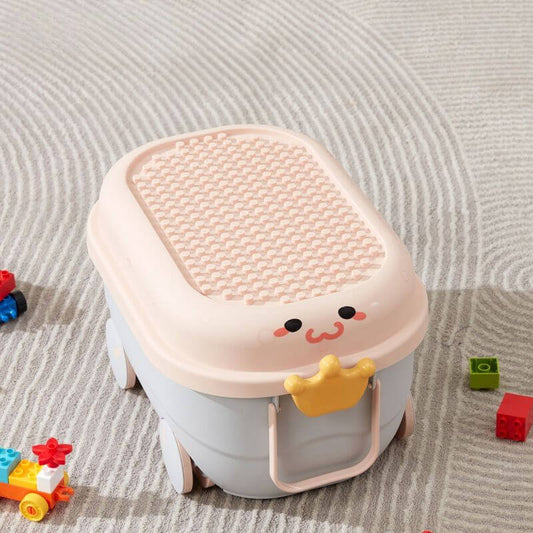

Cartoon-Themed Plastic Toy Organizer with Playtop Lid
- $217.21
$271.52- $217.21
- Unit price
- per
-
Pink
-
Yellow
-
Blue
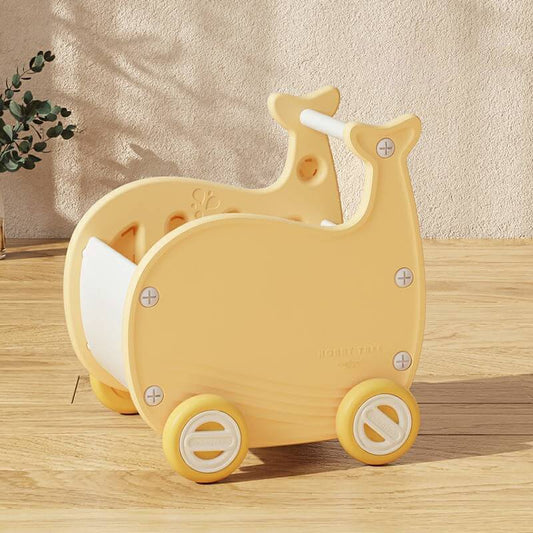

Colorful Plastic Kids Toy Organizer Cart with Casters
- $250.38
$278.20- $250.38
- Unit price
- per
-
Yellow
-
Green
-
Grey
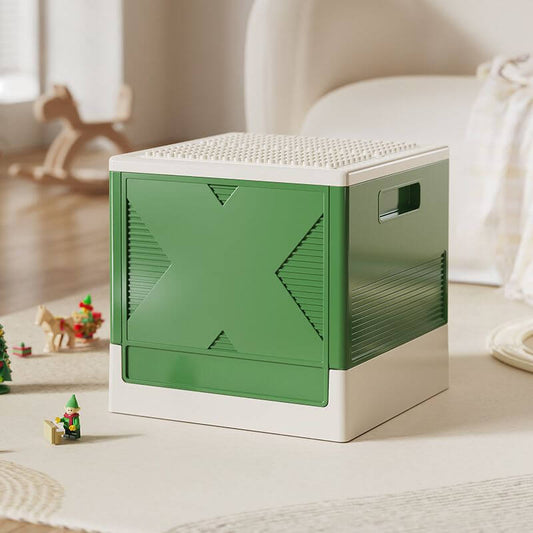

Foldable Kids Toy Box with Building Block Lid – Stackable PP Storage Cube
- $226.82
$283.52- $226.82
- Unit price
- per
-
Green
-
Red
-
Black
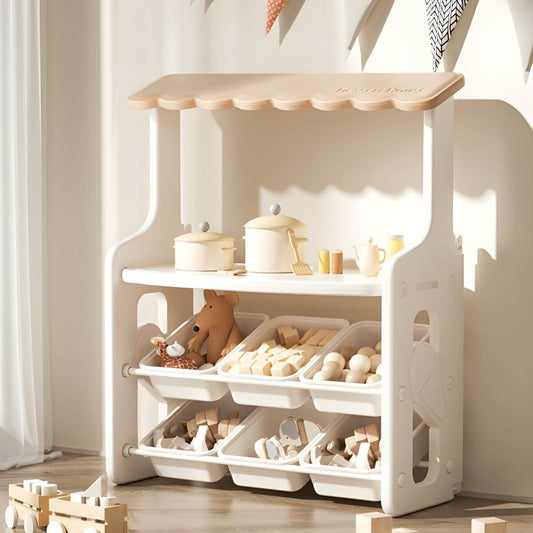

Nordic-Style Plastic Toy Storage Unit with Open Display Shelf
- $502.11
$627.64- $502.11
- Unit price
- per
-
Light Brown
-
Grey


Solid Wood Toy Storage Rack with White PP Drawers and Arc-Frame Design
- $479.98
$599.98- $479.98
- Unit price
- per


Modern Yellow Plastic Toy Organizer with 4 Open Shelves
- $149.97
$166.63- $149.97
- Unit price
- per
-
Yellow